
The Zuiderzee
For centuries there was an inland sea in the middle of the Netherlands: the Zuiderzee. Cities such as Amsterdam, Enkhuizen, Hoorn and Kampen grew rich from it. The ships of the Dutch East India Company (VOC) sailed across the Zuiderzee to the North Sea. But the sea was also dangerous. During storms, water regularly poured over the dikes along the coast.
In January 1916 it went wrong once again. A heavy storm pushed the water over and through the dikes around the Zuiderzee. Large parts of North Holland were flooded and people died. After this disaster, an old plan finally won support.
Lely’s plan
As early as 1891, engineer Cornelis Lely (1854–1929) had drawn up a plan to close off the Zuiderzee with a dike and reclaim land behind it. As Minister of Water Management he got it through parliament: the Zuiderzee Act was passed on 14 June 1918. The aim was twofold: safety from the water, and new farmland to grow more food.
The work started with a small test polder near Andijk. Then came the big projects:
| Year | Project |
|---|---|
| 1930 | Wieringermeer drained |
| 1932 | Afsluitdijk closed on 28 May: the Zuiderzee becomes the IJsselmeer |
| 1942 | Noordoostpolder drained |
| 1957 | Eastern Flevoland drained (29 June) |
| 1968 | Southern Flevoland drained (29 May) |
| 1975 | Last gap in the Houtribdijk between Lelystad and Enkhuizen closed |
Together, the two Flevo polders form one large island in the water. At around 970 square kilometres, the Flevopolder is considered the largest artificial island in the world.
How do you make a polder?
First, a ring dike is built around the piece of sea that is to be drained. Then pumping stations pump the water out. For Eastern Flevoland, three pumping stations did the job: Wortman in Lelystad, Lovink near Harderwijk and Colijn near Ketelhaven. Southern Flevoland got the De Blocq van Kuffeler pumping station near Almere.
What remained was a plain of mud and water. Reed was sown from aircraft so that the soil would dry out faster. Ditches, drainage canals and trenches were dug, and only after a few years was the land ready for ordinary farming. The national IJsselmeer Polders Authority and its predecessor built roads, farms and villages, and selected the first farmers and residents.
Some 450 shipwrecks emerged from the bed of the old sea, from fishing boats to cargo ships. It is probably the largest ship graveyard on land in the world. Some of the finds are on display at Batavialand in Lelystad. Near Swifterbant, archaeologists also found traces of people who lived there between about 5300 and 3400 BC, long before the sea arrived. Archaeologists call this the Swifterbant culture.
The Markerwaard that never came
Lely’s plan included a fifth polder: the Markerwaard, between Lelystad and North Holland. The Houtribdijk, which now links Lelystad with Enkhuizen, was meant to be the dike of that polder. But the Markerwaard was never built. The debate went on for decades, and in 2003 the government finally decided against it. The water behind the dike is now called the Markermeer. Since 2016 the Markerwadden, new islands for nature, have been built in it.
Lelystad: a city from the drawing board
Lelystad was designed as the capital of the new polders and named after Lely. On the dike by the Markermeer stands a large statue of him, looking out over the water.
The first design, by urban planner Cornelis van Eesteren, was very ambitious. In 1964 it was judged too complicated and too expensive, and the city was built smaller and simpler. One idea remained: separating traffic. Cars use raised main roads, while cyclists and pedestrians have their own paths, with bridges and tunnels where they cross.
The first residents arrived in 1967. They lived among sand and building sites, and many facilities had yet to be built. In its early years Lelystad had no town council of its own: the area was governed by the national government. On 1 January 1980 Lelystad became an ordinary municipality. Today almost 86,000 people live here.
The twelfth province
On 1 January 1986 Flevoland became the twelfth province of the Netherlands, with Lelystad as its capital. The province includes the two Flevo polders, the Noordoostpolder and the old fishing village of Urk, which was an island until 1939.
Flevoland has six municipalities: Almere, Dronten, Lelystad, Noordoostpolder, Urk and Zeewolde. With more than 230,000 inhabitants, Almere is by far the largest city. The former island of Schokland in the Noordoostpolder became the first UNESCO World Heritage Site in the Netherlands in 1995. The village of Nagele is a well-known example of 1950s modern architecture, with Aldo van Eyck among its designers.
Nature that came by itself
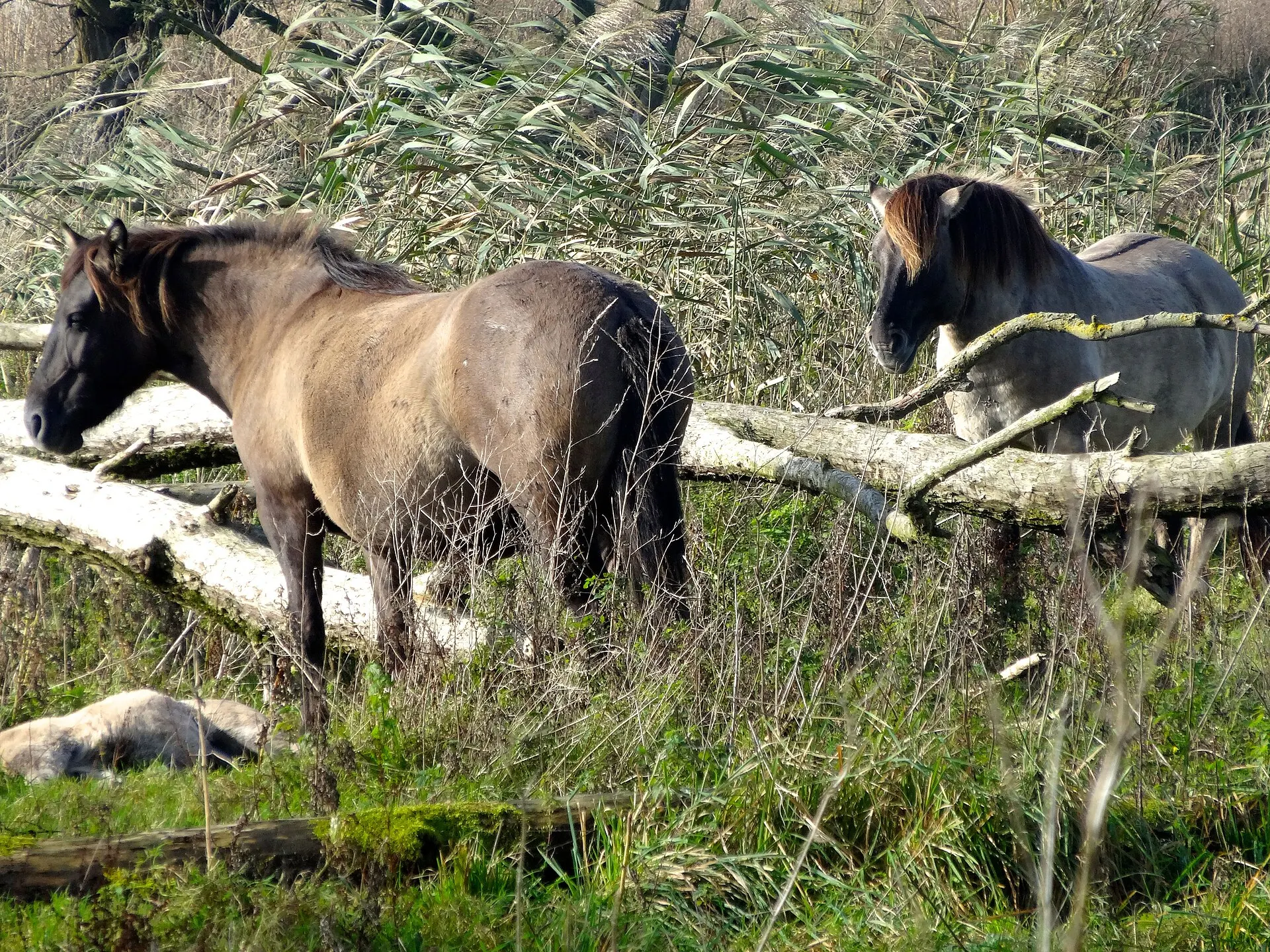
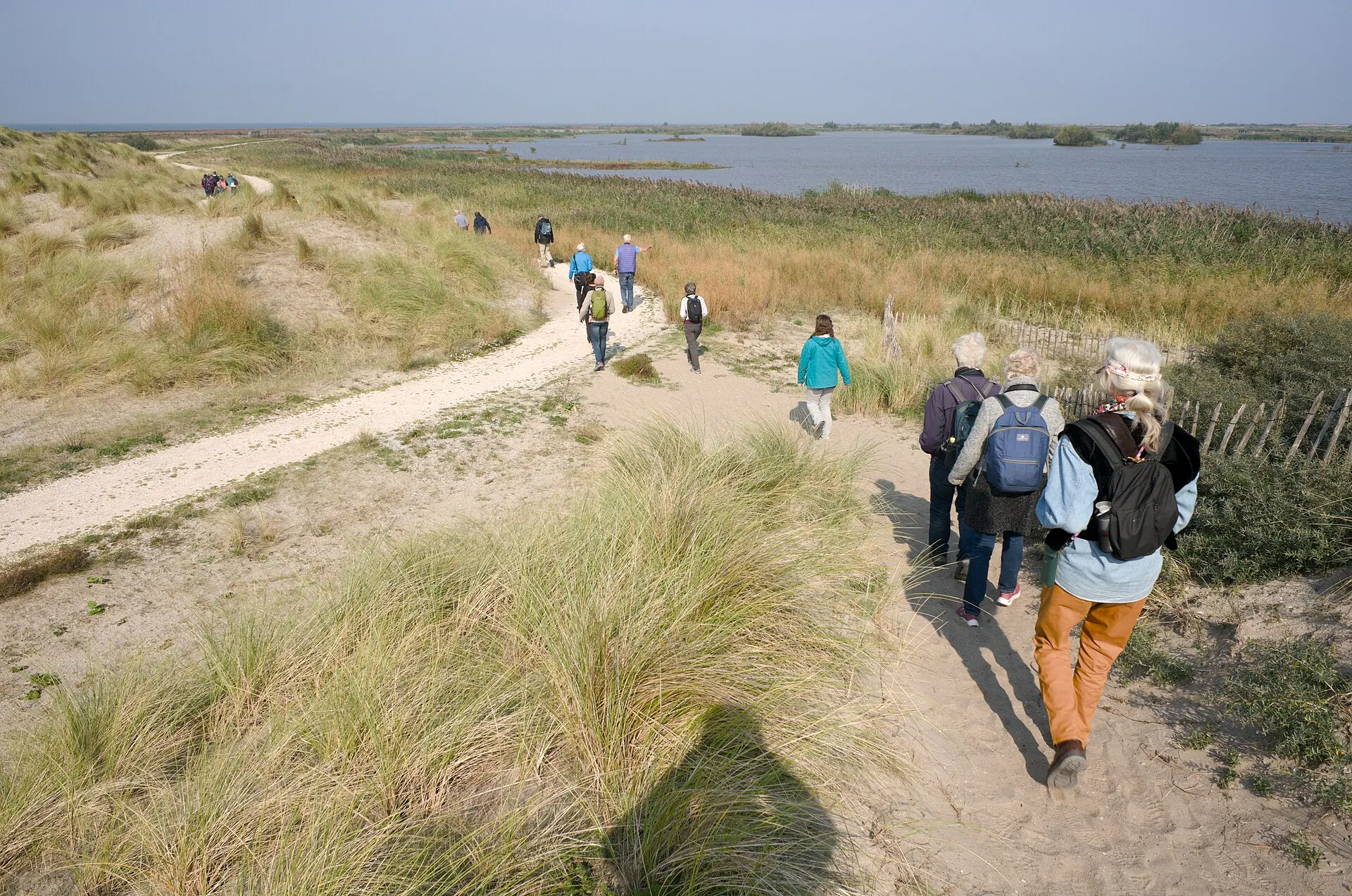
Part of Southern Flevoland was intended for industry, but stayed wet for years. Large numbers of birds settled there of their own accord. This is how the Oostvaardersplassen came about, now one of the best-known nature reserves in the Netherlands. It is home to Konik horses, red deer and the white-tailed eagle. Since 2018, together with the Markerwadden and other water and land, it has formed Nieuw Land National Park.

King’s Day in Flevoland
King’s Day 2027 is the third time a royal birthday is celebrated in Flevoland. In 1994 Queen Beatrix visited the Noordoostpolder and Urk, and in 2006 Almere and Zeewolde. For King Willem-Alexander, Lelystad is his first time in Flevoland. The celebration coincides with Lelystad’s 60th anniversary, and the King himself turns 60 too.
More about the city, with tips for a visit, is on the Lelystad page. What is already known about the day itself is in the Programme. All previous host cities are listed on All host cities.